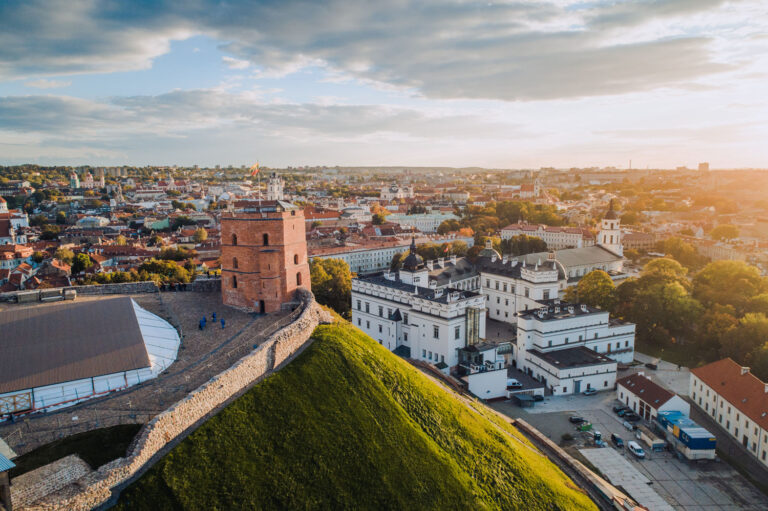

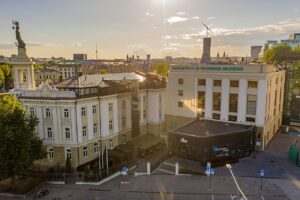

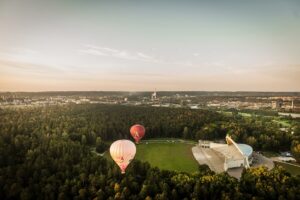



Vilnius is a city where centuries of history meet a forward-looking scientific and creative scene. Its UNESCO-listed Old Town features baroque towers, cobblestone streets, and quiet courtyards. Alongside this historic setting, you’ll find modern research campuses, growing tech companies, and a culture that embraces new ideas. The result is a capital that feels both intellectually energetic and pleasantly human in scale, making it easy to switch between focused conference days and inspiring moments around the city.
Vilnius has long been a crossroads of cultures, and its history is easy to read in the streets and skyline.
14th–16th centuries.
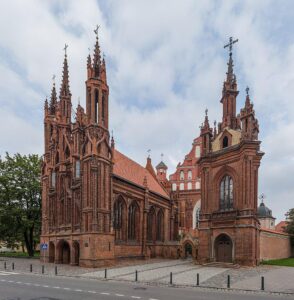
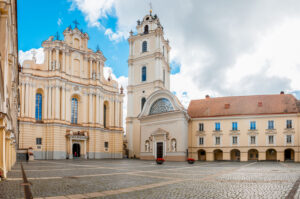
Vilnius grew from a fortified medieval capital into one of the key political and cultural centers of the Grand Duchy of Lithuania. As the city expanded through trade, diplomacy, and a diverse mix of communities, it left behind a distinctive “brick Gothic” silhouette and early Renaissance details visible in churches, monastic courtyards, and the remnants of the city’s defensive heart.
What you can see: Gediminas’ Tower, St. Anne’s Church, the Vilnius University Old Campus.
17th–18th centuries.
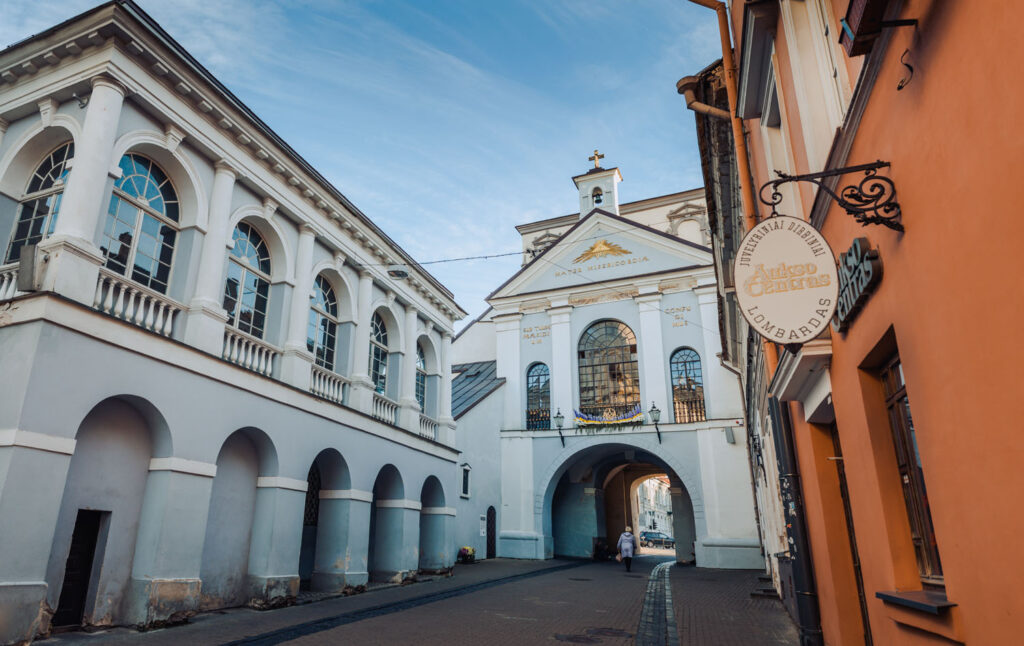
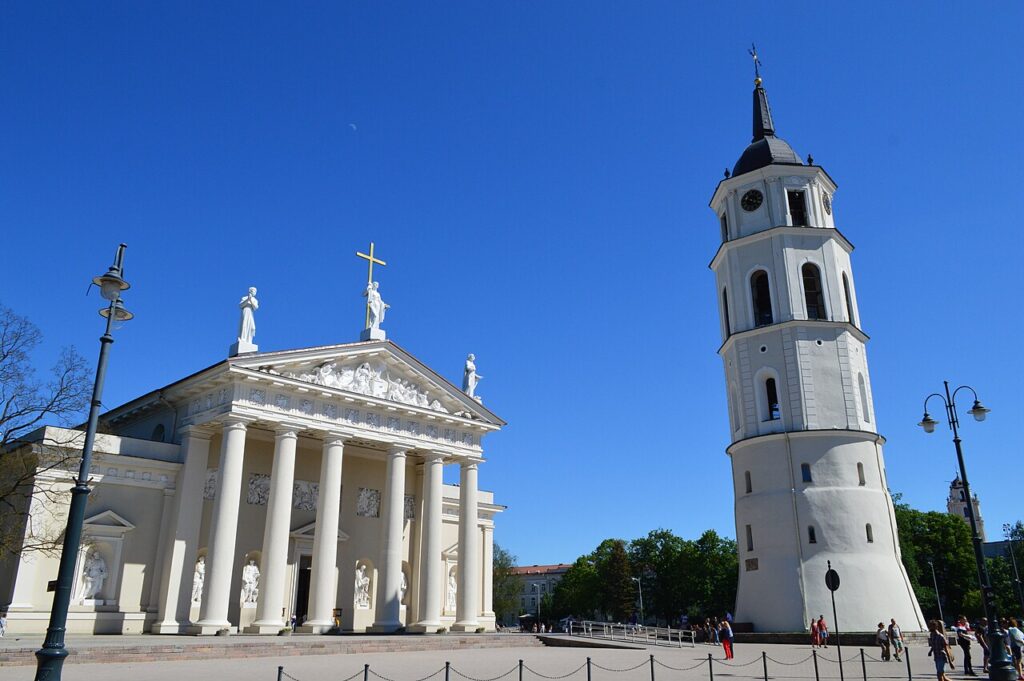
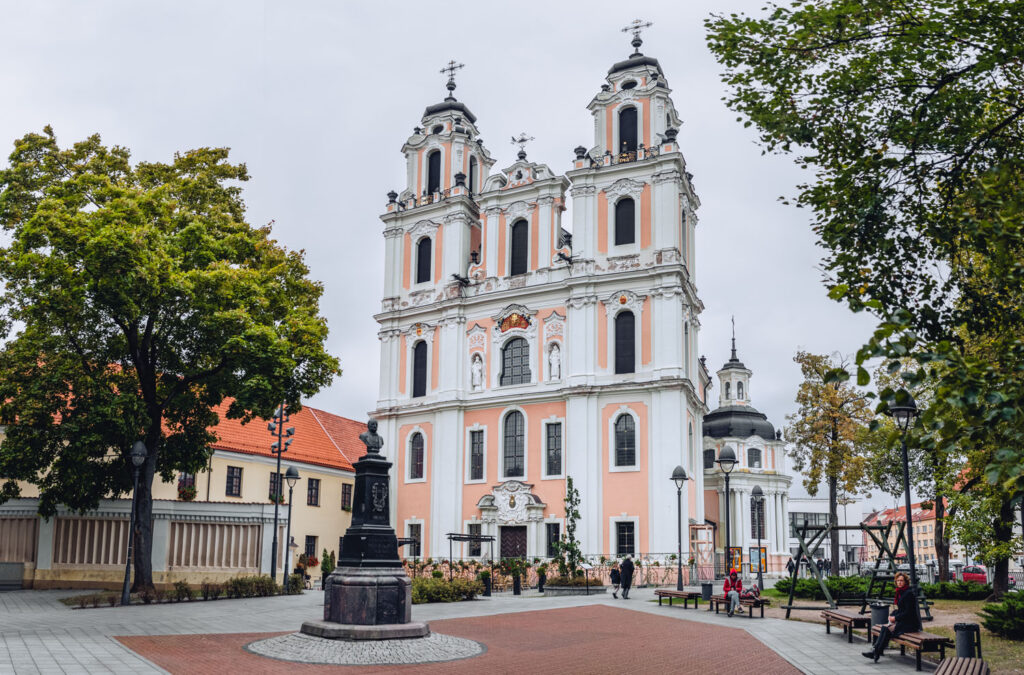
This era gave Vilnius much of its signature Baroque identity. After wars, fires, and rebuilding, the city was reshaped with dramatic church façades, soaring towers, lavish stucco interiors, and a network of monasteries and courtyards that made the Old Town feel both grand and lived-in. Many of the most iconic skyline views—clusters of church spires rising above red rooftops—come directly from this period of renovation and artistic ambition.
What you can see: Gate of Dawn, Cathedral Basilica of St Stanislaus and St Ladislaus of Vilnius, St. Catherine’s Church, and the.
Green capital
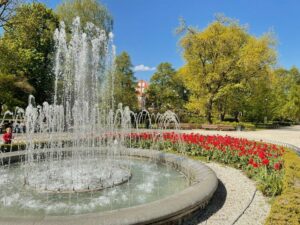
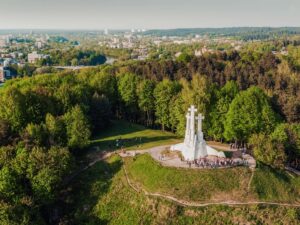
Vilnius is proudly known as the European Green Capital 2025, and it’s easy to feel why: the city is remarkably leafy, with around 61% of its area counted as green space and most residents living within a short walk of greenery. You can visit several parks to relax.
What you can visit: Vingis Park, Bernardine Garden and The Hill of Three Crosses.
Culture and museums
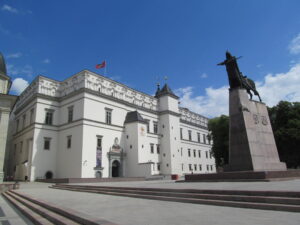
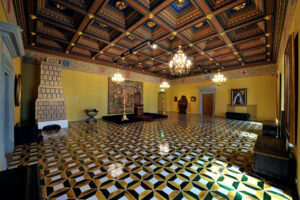
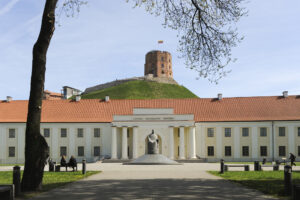
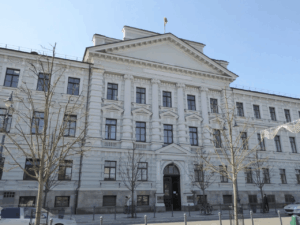
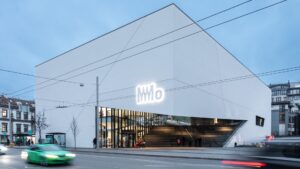
Vilnius offers a rich cultural scene in a compact area, with standout museums and galleries that are easy to combine in a single afternoon. For Lithuanian history and statehood, the Palace of the Grand Dukes and the Lithuanian National Museum are key stops, while the Museum of Occupations and Freedom Fights provides a powerful 20th-century perspective. If you’re in the mood for modern ideas, the MO Museum and the National Gallery of Art is a strong choice for Lithuanian and regional visual art.